








More Recommendations
Fabric shops in Sri Lanka
Findit.lk
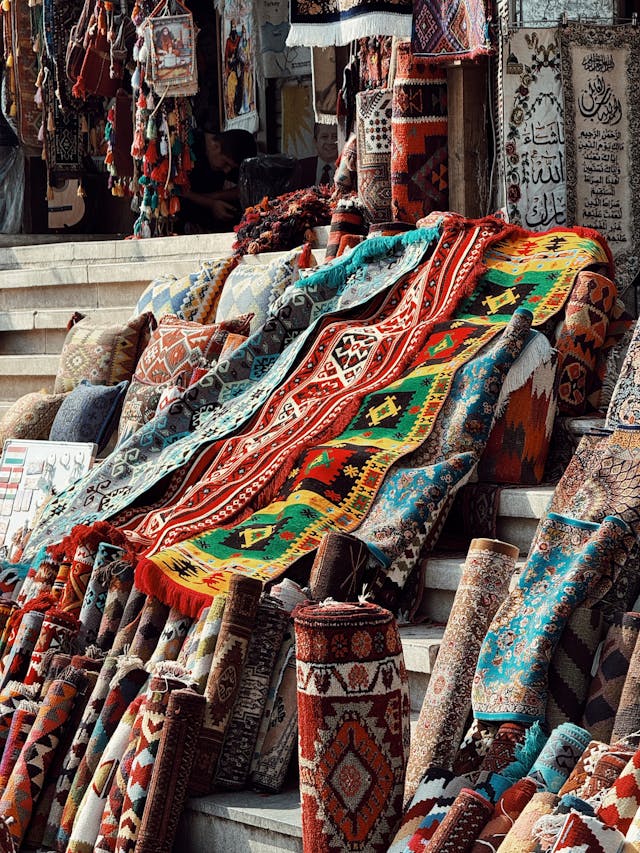


The Ultimate FAQ: Shopping for Fabrics in Sri Lanka
Sri Lanka is a treasure trove for textiles, from imported, high-end silks for bridal wear to authentic, locally-produced Batik and Handloom cotton. Your shopping experience largely depends on whether you seek luxury or wholesale bargains.
Here are the most asked and searched FAQs for fabric shops across the island.
1. Where to Buy (Locations and Specialities)
Q1: Where is the main hub for fabric shopping in Colombo?
A: The fabric scene in Colombo is divided into two main areas:
- High-End Retail: Galle Road and areas like Bambalapitiya (Colombo 4) and Kollupitiya (Colombo 3) house the established retail showrooms (e.g., Fashion Fabrics, larger saree shops). These are known for imported silks, linens, bridal fabrics, and better customer service, albeit at higher prices.
- Wholesale/Bargain: Pettah Market (Colombo 11), particularly 2nd Cross Street and its surrounding areas, is the epicentre for wholesale and budget shopping. You'll find vast quantities of cotton, synthetic fabrics, saree materials, and trimmings here at the lowest possible prices.
Q2: Which shops are best for high-quality bridal, silk, and saree fabrics?
A: For special occasions, quality is paramount. You should visit the established retail showrooms:
- Fashion Fabrics and other major textile showrooms in Colombo are renowned for their complete range of bridal fabrics, raw silks, pure chiffons, high-end linens, and heavily embroidered materials.
- Specialised Saree Shops (often found along Galle Road) focus purely on designer sarees and accompanying blouse fabrics, with options for customisation.
Q3: Where can I buy authentic, high-quality Handloom and Batik fabrics?
A: Handloom and Batik are true Sri Lankan specialties and are best bought from reputable craft centres or dedicated studios to ensure authenticity:
- Batik: Look for dedicated studios like Shreedevi Batik (Colombo locations) or Jayamali Batiks Studio (Kandy) for hand-drawn designs. These are usually 100% cotton or silk and use traditional wax-resist dyeing techniques.
- Handloom: Shops that partner with social enterprises or handloom centres are excellent for high-quality, vibrant cotton handloom textiles, often supporting local women artisans.
2. Pricing and Bargaining (The "How Much Should I Pay?" Questions)
Q4: How is fabric priced in Sri Lanka, and is the price negotiable?
A:
- Pricing: Fabrics are universally priced per metre (or per yard).
- Negotiation:
- Pettah Market: Negotiation is expected, especially if you are buying in bulk (a full bolt or many metres). Start low and aim for a fair middle ground.
- High-End Retail/Showrooms: Prices are generally fixed and non-negotiable, but staff may offer a slight discount for very large purchases (e.g., buying for an entire wedding party).
Q5: What is the approximate cost per metre for common fabrics like cotton and silk?
A: Prices fluctuate based on import costs and taxes, but a general estimate (as of late 2024/early 2025) is:
Basic Cotton/Synthetic Mixes LKR 300 – 700 Found mainly in Pettah; suitable for simple garments and lining.
High-Quality Pure Cotton/Linen LKR 800 – 2,500+Found in showrooms; good for casual wear and upholstery.
Basic Silk/Georgette (Imported) LKR 1,500 – 4,000+Suitable for evening wear and bridesmaid dresses.
Raw Silk/Bridal Materials LKR 4,000 – 10,000+ Imported and specialised fabrics with heavy embroidery or texture.
3. Practical Shopping Tips
Q6: What should I look for to check the quality of fabric?
A: A quick quality check is essential, particularly in wholesale markets:
- Handfeel: For silks and pure cottons, the fabric should feel soft, natural, and not too stiff or plasticky.
- Count the Flaws: Hold the fabric up to the light. Look for consistent weave, no small holes or thread breaks, and consistent colour saturation.
- Check the Edges: Look for firm selvedges (the finished edges of the fabric) to ensure quality manufacturing.
- Ask about Blend: For silks, always ask if it's "pure silk" or a "silk blend" (which will be much cheaper).
Q7: Can I get my fabric tailored immediately in Colombo?
A: Yes, proximity to tailoring services is a major convenience:
- Pettah: Many small, affordable tailoring shops are located either within or directly next to the wholesale fabric lanes, offering very fast turnaround times for simple garments like blouses or skirts.
- Showrooms: High-end shops often have in-house tailoring departments or recommended partners for complex jobs like bridal wear, providing better quality assurance and fit, but requiring more time.
Q8: What are the best fabrics to buy as a souvenir from Sri Lanka?
A: If you are looking for a unique keepsake that is authentically Sri Lankan, focus on the following:
- Batik: Known for vivid colours and traditional motifs (elephants, flowers, dancers).
- Handloom: Distinctive textures and bold, block-colour stripes or patterns.
- Sarong/Lungi Fabric: A simple, high-quality woven cotton piece that is perfect for a breezy beach cover-up or lightweight home decor.
Sewing machine price in Sri Lanka varies across different brands and models, offering options from basic household machines to advanced industrial equipment. The market features trusted brands including Singer, Janome, and Brother, with prices ranging from affordable domestic models to premium computerized versions. Both new and reconditioned machines are available, catering to different budgets and sewing needs. Prices reflect features such as automatic threading, stitch variety, and durability, with many suppliers offering warranty coverage and after-sales service.
October 21st 2022
Filter Companies with promotions
Recommended Companies

Fashion Fabrics

Local Business or PlaceA fabric shop like no other. Conveniently located in the heart of Colombo, we have all kinds of fabrics, sarees and accessories under one roof!

Fabric Lanka
Company or Organization
Acacia Fabrics - Sri Lanka
Fashion and ClothingThe widest range of luxury furnishing and interior fabrics in Sri Lanka for sofas, cushions, upholstery, and curtains. Exclusively from Belgium.


Chamodi Textilea
Fashion and ClothingChamodi Textiles (Fabric Shop in Maharagama/ Textile Wholesale in Maharagama) is a Fabric store
CIB Shopping Centre
Fashion and Clothing
HS Fabric Collection
Company or OrganizationWe are pioneers in supplying fine quality indoor and outdoor fabrics in Sri Lanka since 1991.

D'decor Exclusive Designer Fabrics
Local Business or Place
Ganesh Textiles
Fashion and ClothingGanesh Textiles is a Complete Clothing Store for The Entire Family. 40 Years of Extensive Experience on Upscale Retail Clothing line.

Silk Route
RestaurantsSilk Route is, and always will be known as a global highway of flavors, for the unique fusion of palates.
Thilakawardhana Textiles
Fashion and ClothingThilakawardhana Textiles - Fashion For Life Shop Now : www.thilakawardhana.com
Fashion Fabric Gampaha
Fashion and Clothing
Nawodya Fashion Fabric
Fashion and ClothingWith our 2 stores located in Maharagama , Pamunuwa (small scale & large scale). The Fabric Store is
Kelani Fabrics
Fashion and ClothingWe specialized in manufacturing quality Sri Lankan hand-loom products.

East Star Handlooms
Fashion and Clothingwe are the manufacturer and whole sell market leader of all kind of handloom products. We provide dedicated and a unlimited collection of quality handlooms in different varieties such as fabrics, sarongs, cotton sarees, shawls, beach wrap, and ladies tops. We aim to make you feel the best experience wearing high quality handloom items that record wonderful signature on your memorable occasions. We endeavor to offer the widest designs at more colors. East Star Handlooms is built by professionals with years of experience in the industry. So you are assured that our product is the most complete and most competitive fashion forward assortment available.

Barefoot
Fashion and ClothingBarefoot Clothes are all handmade in Sri Lanka. Our collection of contemporary clothing comprises of on-loom finished, draped and stitched garments constructed from simple geometric sections of cloth. BAREFOOT started weaving sarongs in the late 1970's and revived a love for this wonderful timeless unisex garment

Rithihi
Fashion and Clothing
Hemantha Textiles
Fashion and Clothing
New Manjari
Fashion and ClothingExplore our range of Affordable Products all Under One Roof, from Household, Kitchenware, Toys, Gifts to Clothing for the entire Family!
Sarathchandra Textiles
Local Business or Place#22
Not on the list?
Add your favorite item

Please only add items that are relevant to this list topic
An Award-winning Website
for the Best SEO campaign of 2020,
SLIM DIGIS 2.0 Awards
Follow Us On Social Media


